
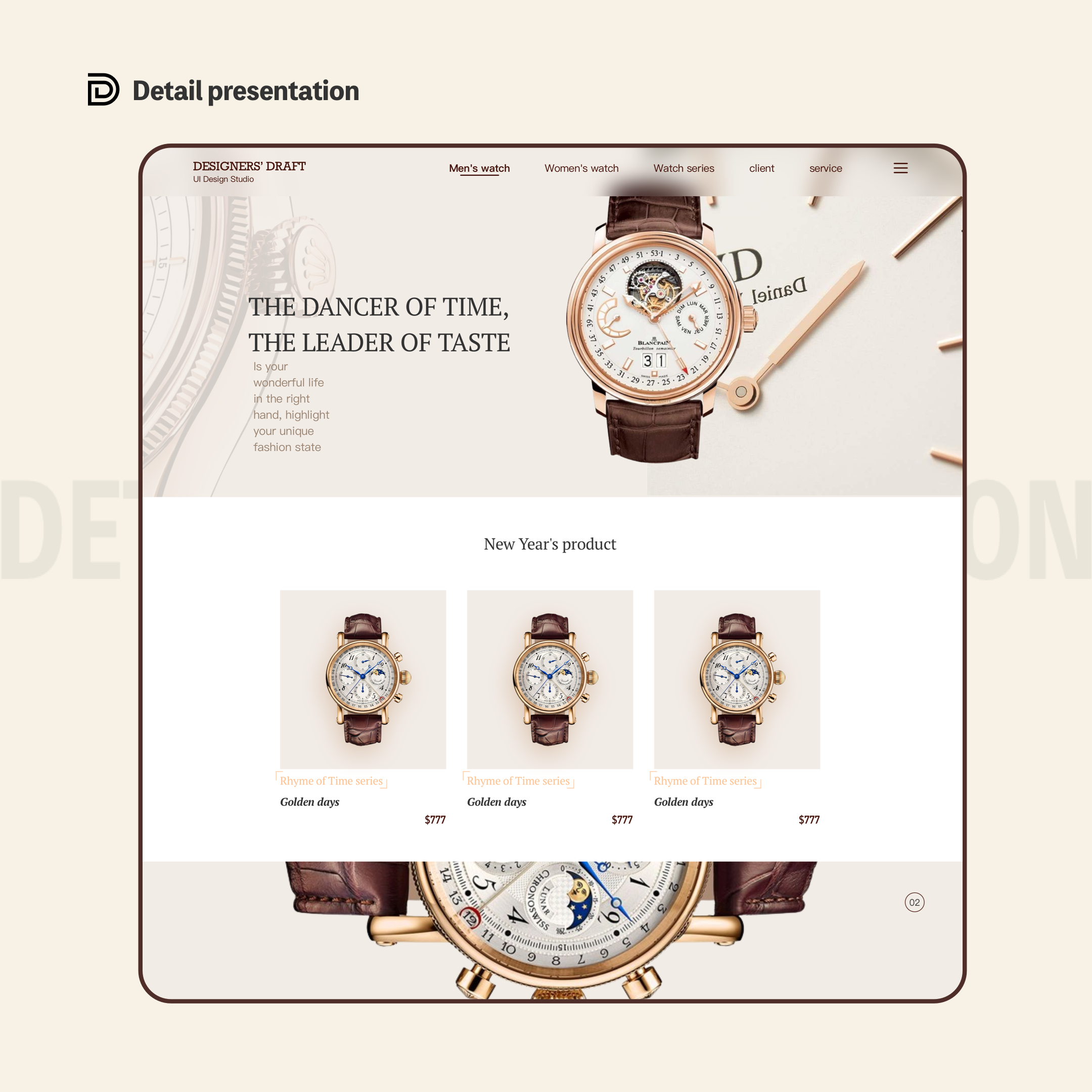
Entry clarity
The page should confirm relevance within seconds of arrival.
Traffic, trust, and next steps
This topic cluster covers the parts of web design that affect organic traffic, readability, page structure, and conversion behavior.
Good web design determines whether headings are readable, sections feel coherent, and related pages are easy to discover. Those outcomes shape how well a site serves search traffic.
A website can have strong keyword targets and still underperform if the layout makes users work too hard to find what matters.
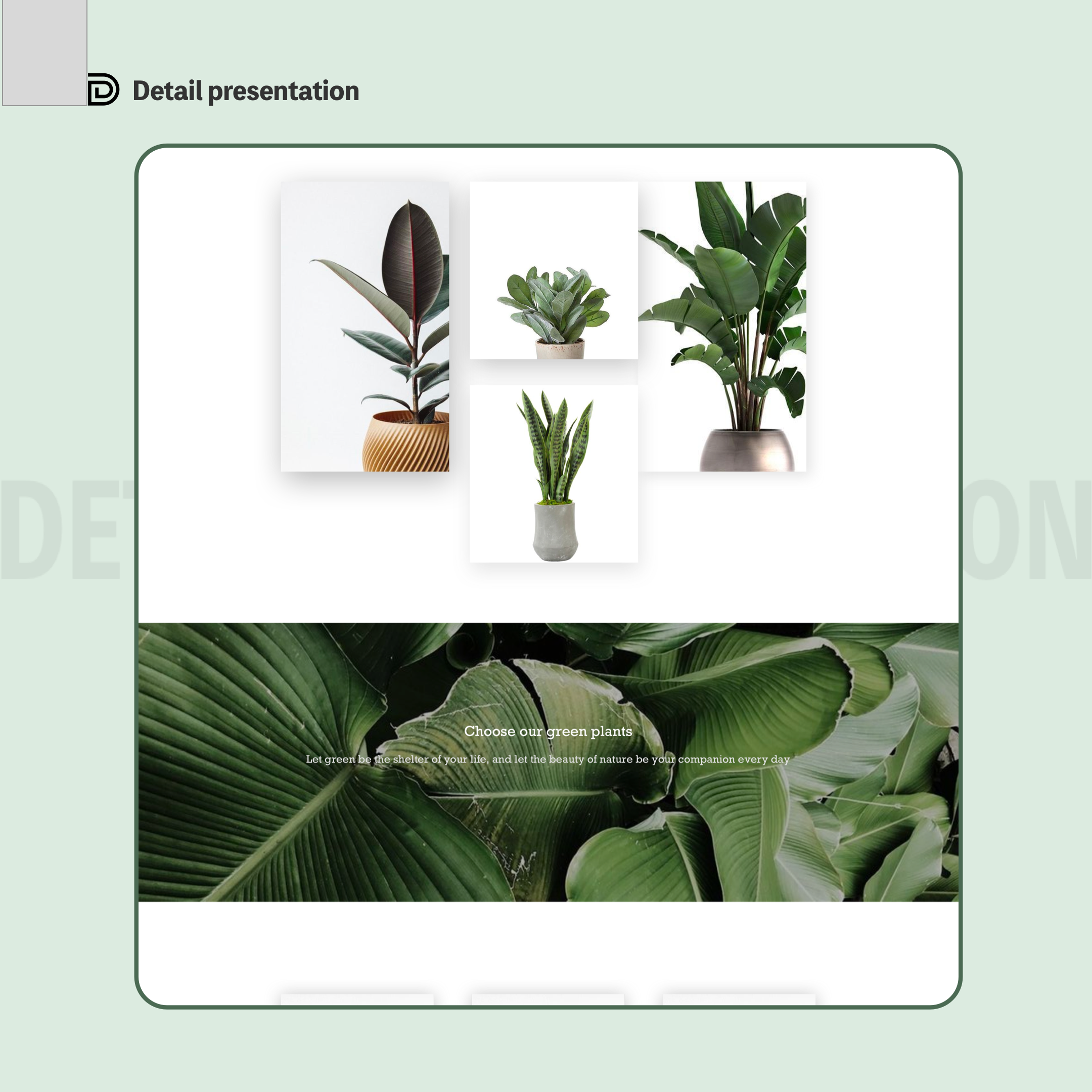
Structure first
Walk through your site with us—IA, headings, internal links, and the first screen visitors actually see.
High-performing pages explain the problem quickly, show how the page will help, and route users toward the next useful action. That applies to both pillar pages and blog articles.
The design system should support information scent, not hide it behind novelty.
The page should confirm relevance within seconds of arrival.
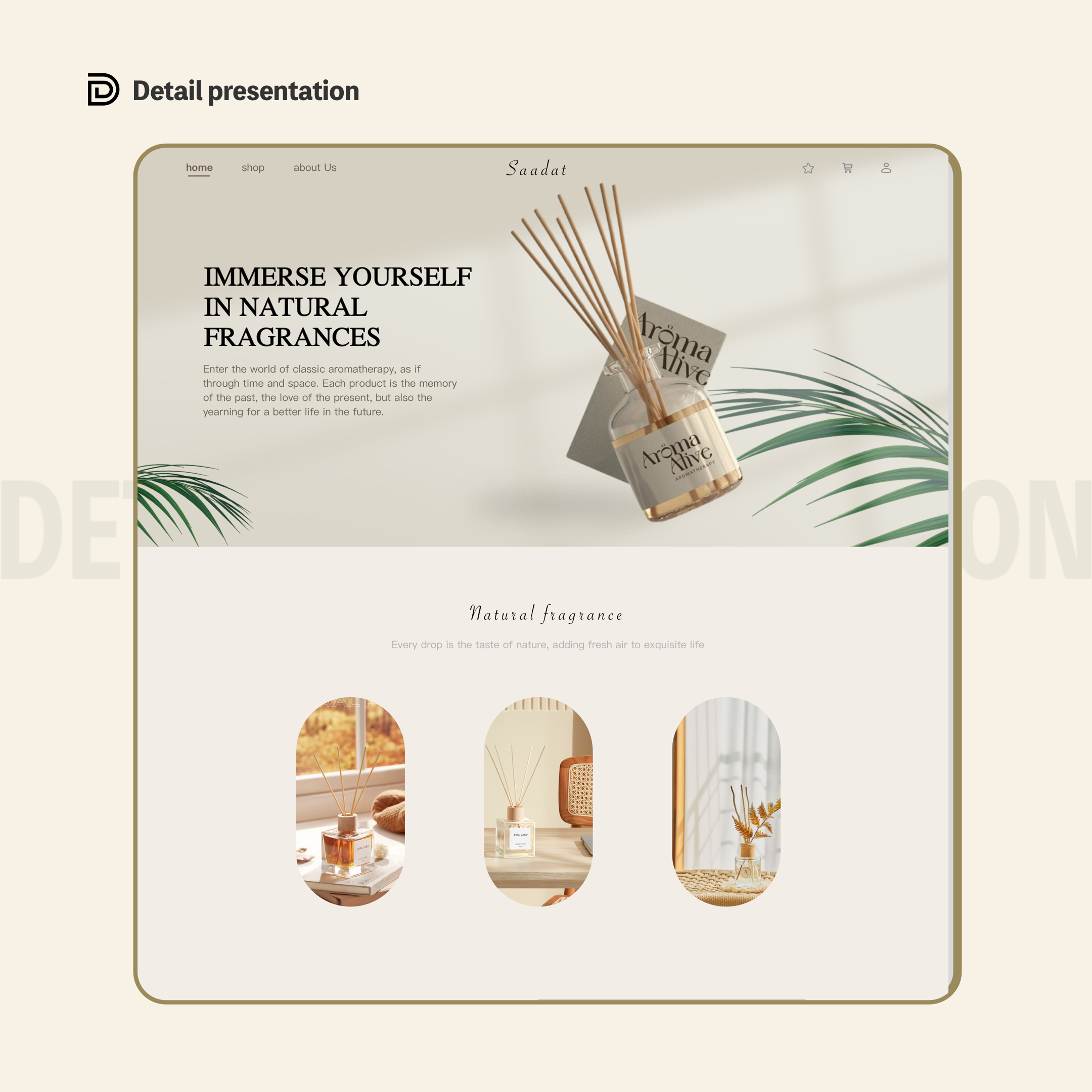
Each section should support the page goal rather than compete with it.
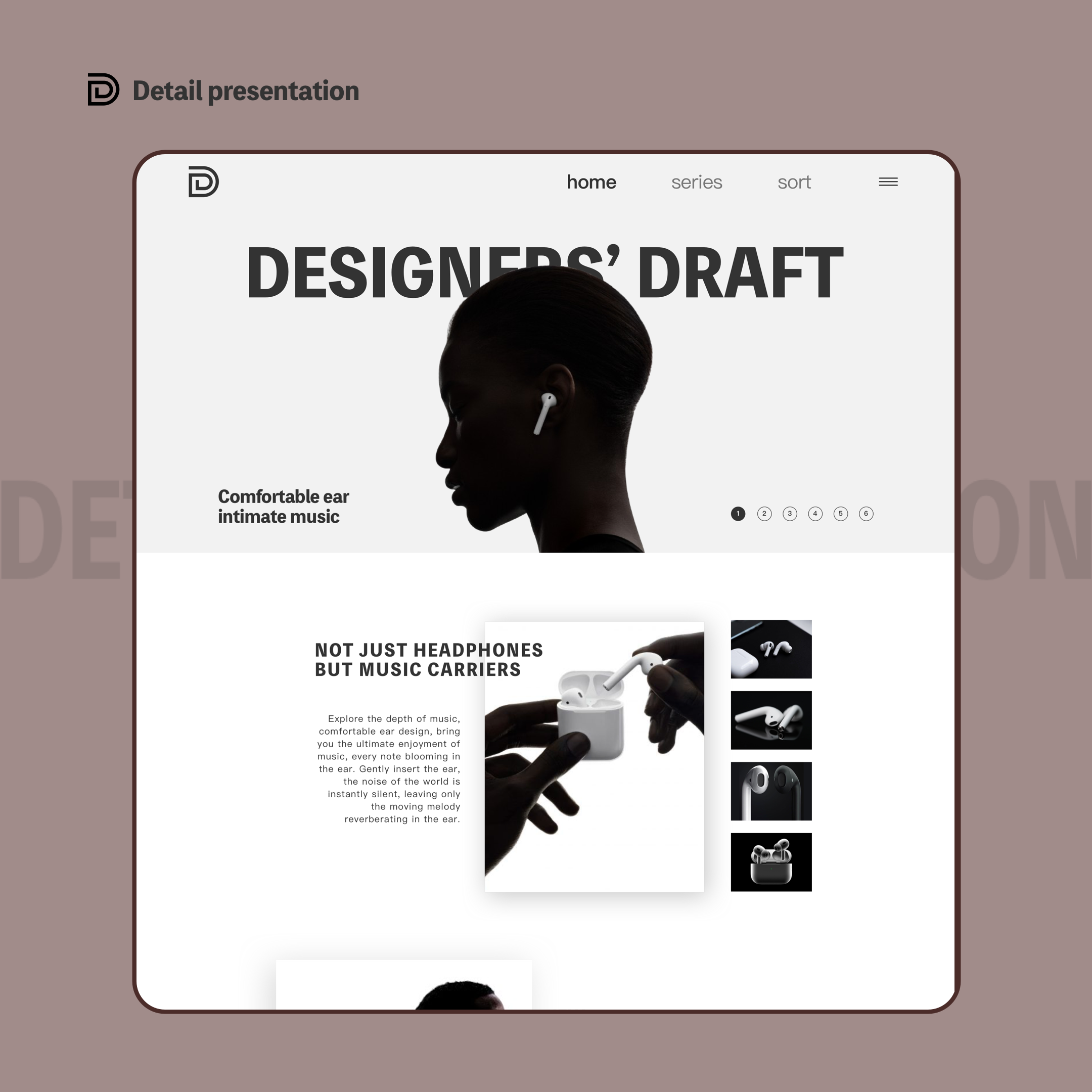
Readers should have clear routes to deeper articles or commercial pages.
Most sites benefit first from clearer hierarchy, fewer competing CTAs, better mobile readability, and more intentional internal links. Those changes often create more lift than a visual reset alone.
That is why traffic-led web design starts with structure rather than decoration.
Web & traffic
Practical reads on SEO-friendly structure, stronger first screens, and paths that keep high-intent visitors moving.
April 9, 2026
Use this checklist to improve landing pages before sending more traffic or running more tests.
Read articleApril 9, 2026
The most useful SaaS landing page examples show how to combine message clarity, proof, and focused CTA design.
Read articleApril 9, 2026
Bounce rate often reflects relevance and clarity problems before it reflects traffic quality.
Read articleRelated topics
These topic pages strengthen the broader content architecture and support internal linking across the site.
ui ux design agency for startups
Conversion-focused UI design for startups and SaaS teams, including UI audits, landing page redesign, and full product UX delivery.
Open topic pagelanding page design
Landing page design strategies for clearer messaging, stronger proof, and higher conversion across SaaS and growth-focused websites.
Open topic pageconversion optimization
Conversion optimization strategies for websites and SaaS products. Learn how UX clarity, proof, and friction reduction improve qualified actions.
Open topic pageFAQ
Answers about SEO-friendly layout, pillar vs blog pages, and when a full redesign is worth it.
SEO-friendly web design supports strong headings, readable structure, clear internal links, fast rendering, and a mobile experience that keeps the content usable.
They should share a system, but the reading experience should differ. Posts need comfort and depth. Pillar pages need overview, comparison, and routing.
Not always. Many gains come from simplifying layouts, clarifying copy, and improving conversion paths before a larger redesign is necessary.
Next step